GenAI in CS Education Workshop: Practice and Research (AICSEPAR)
About
The GenAI in CS Education Workshop brings together leaders in research on the impact of GenAI on computing education and educators pioneering new curricula, pedagogies, and assessments through the integration of GenAI. Attendees should expect:
to hear from leading industry experts on how GenAI is changing software engineering practice
to learn about top research on GenAI integration in CS Education
to see practical examples of GenAI integration in courses and curricula from experienced instructors
Unfortunately, registration is now closed due to space limitations. We're pleased that the event has such interest in the community!
March 16 (8am-5pm) and March 17 (8am-2pm), 2026
Attendee Logistics:
San Diego Airport is roughly a 25 minute drive from the La Jolla area of our event. Ride shares, taxis, and airport shuttles offer options for transit to/from the airport.
The event will be held at Scripps Seaside Forum. There is not a specific conference hotel, but there are a number of hotels nearby (please see "Nearby Hotels" at this link for suggestions). Participants should plan to arrive via ride share. There is also limited on street parking in the area adjacent to Scripps Seaside Forum but it can be crowded as this area is used by beachgoers.
Keynote Speakers
An Industry Perspective on the Role of Humans in the post-AI Software
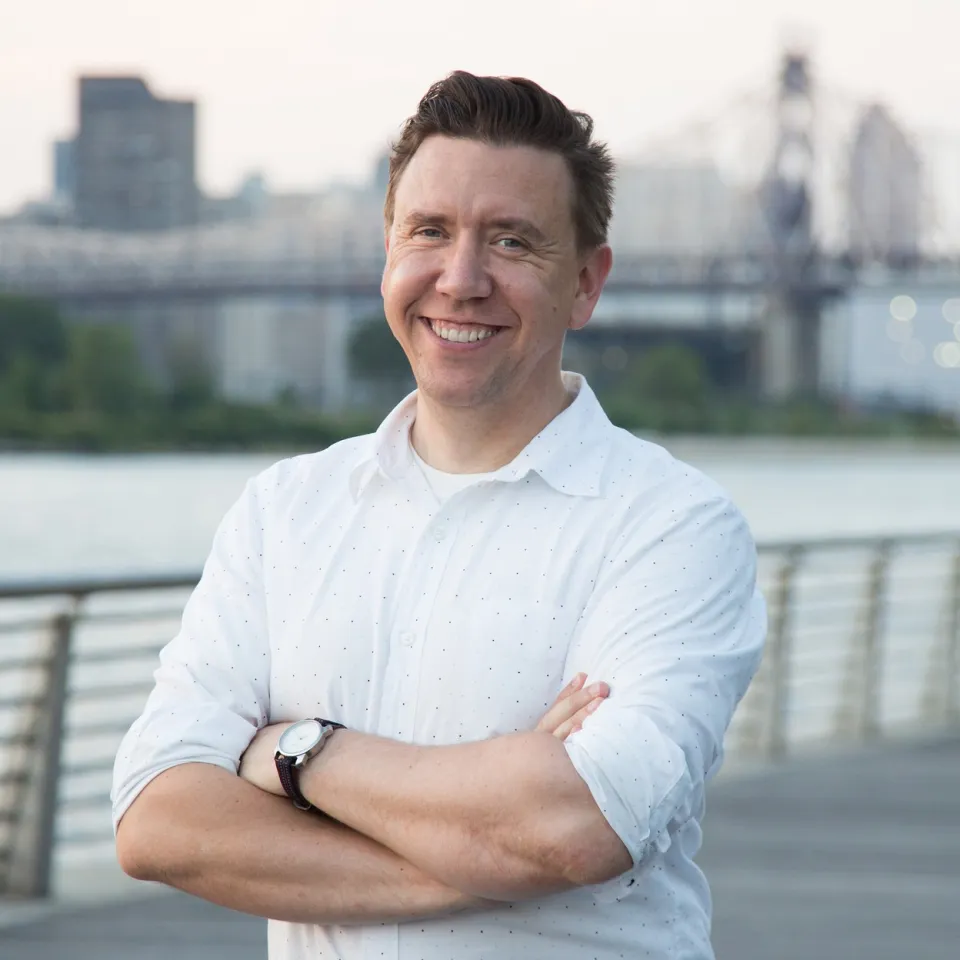
Titus Winters
Senior Principal Scientist
Adobe
Abstract
The use of GenAI as an engineering tool or coding assistant continues to spread. Workflows, AI tools, and domain-specific models are advancing rapidly, with no end in sight. Even skeptics like me are forced to conclude that pre-AI approaches to development are insufficient, as the gap between legacy systems and AI-native groups continues to expand. Thankfully, this isn't a replacement for human engineers or expertise, but it does require a substantially different focus: far less emphasis on code writing, far more on design, architecture, specification, communication, code reading, testing, and tooling. In this talk I'll summarize industry trends and research, highlight the reasons why this trend is not going away even once the AI bubble pops, and attempt to motivate the changes that are now needed in undergraduate CS instruction.
Biography
Titus is a Senior Principal Scientist at Adobe, focusing on Developer Experience. He has served on the C++ standards committee, chairing the working group for the design and evolution of the C++ standard library. He has also served on the ACM/IEEE/AAAI CS2023 steering committee, helping set curriculum requirements for Computer Science undergraduate degrees, focusing on the requirements for software engineering. Titus was a thought leader at Google for many years, focusing on C++, software engineering practice, technical debt, and culture. He is the lead author for the book Software Engineering at Google. (O'Reilly, 2020).
Computing Education for Human-AI Software Engineering
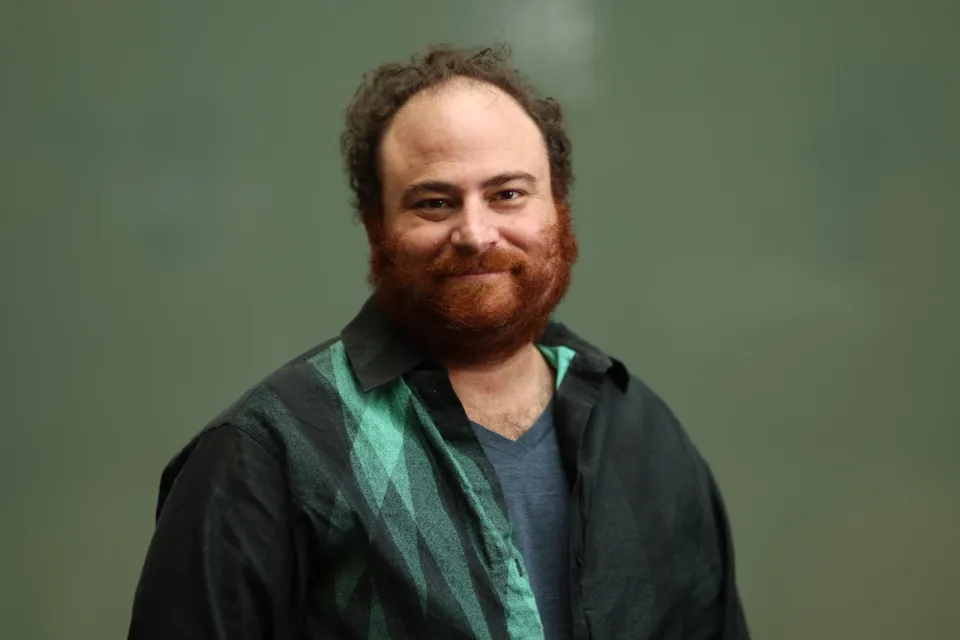
R. Benjamin Shapiro
Associate Professor
University of Washington
Abstract
Creating and modifying software is a core practice in many disciplines, including biology, finance, and software engineering. For a very long time, software has been a tool for practitioners of these disciplines to construct answers to questions that they learn to pose with no (or limited) computer assistance. But advances in agentic and generative AI are moving us toward greater possibilities for human-computer symbiosis (Licklider, 1960), where computers aid us in formulating problems in addition to solving them.
This transforming relationship with computing requires us to re-conceptualize the goals and practices of computing education. I will introduce the concept of Human-AI Software Engineering (HAISE), a framework for human-computer symbiosis in the construction of software that attends to ongoing changes in what the nature of software is, what programming practices matter, and what programming tools are capable of. I will illustrate the framework by showing examples of tools that do not yet exist — but should — and discuss implications for computing education and computing eduation research.
Biography
Dr. R. Benjamin Shapiro is an Associate Professor and the Associate Director for Community in the Paul G. Allen School of Computer Science & Engineering. He is also faculty in Human-Centered Design & Engineering and Learning Sciences & Human Development at the University of Washington, where he co-directs the Center for Learning, Computing, and Imagination. Ben is a learning scientist, and his research concentrates on developing ways for youth and adults to create and use computational media for creative expression, investigation of the world around them, and making positive social change. His award-winning trans-disciplinary research engages with topics ranging from AI education and research ethics to feminist re-imagination of science and art education. He earned his PhD in Learning Sciences from Northwestern University and his B.A. in Independent Studies from the University of California San Diego.
Supporters